

Sustainable Strategies: Leading Sustainable Apparel Design by Designing Out Waste

In the world of performance apparel and workwear, sustainability is no longer a buzzword—it's a necessity. As someone deeply involved in the design process, I’ve seen firsthand how waste creeps into every stage of apparel production. But here’s the exciting part: we can design waste right out of the equation. By rethinking how we create garments, we can reduce environmental impact without sacrificing quality or performance. Let’s dive into practical, actionable strategies that can transform the way we approach sustainable apparel design.
Embracing Sustainable Apparel Design from the Ground Up
Sustainable apparel design starts with intention. It’s about making choices that minimise waste before a single stitch is sewn. This means selecting materials wisely, planning patterns efficiently, and considering the garment’s entire lifecycle.
One of the first steps is choosing eco-friendly fabrics. Organic cotton, recycled polyester, and Tencel are great examples. These materials reduce reliance on virgin resources and often require less water and energy to produce. But fabric choice is just the beginning.
Next, focus on pattern efficiency. Traditional pattern making can leave behind a lot of scrap fabric. By using digital tools and zero-waste pattern techniques, designers can arrange pattern pieces to use every inch of fabric. For example, some zero-waste patterns are designed so that all pieces fit together like a puzzle, leaving no leftover scraps.
Another key is modular design. Creating garments with interchangeable parts or adjustable features means fewer styles need to be produced, reducing overproduction and waste. Plus, it extends the garment’s life because users can adapt it to their needs.
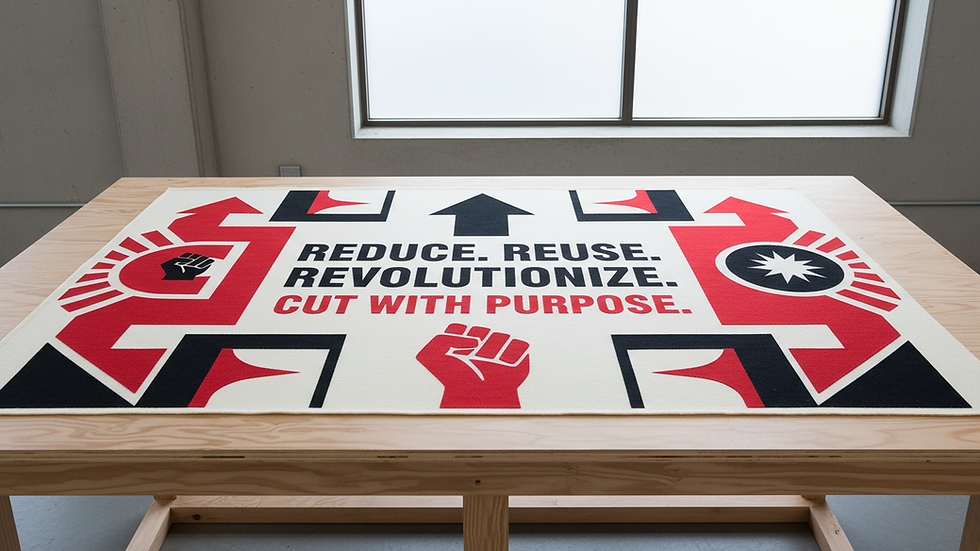
These strategies are not just theoretical. They’re practical steps that can be integrated into any design process to make a real difference.
Practical Techniques for Waste Reduction in Apparel Manufacturing
Waste reduction doesn’t stop at design. Manufacturing processes play a huge role in sustainability. Here are some techniques that can help:
Lean manufacturing: This approach focuses on minimising waste by streamlining production steps and reducing excess inventory. It encourages continuous improvement and efficiency.
Digital fabric printing: Unlike traditional printing, digital methods use less water and produce less waste. They also allow for on-demand production, cutting down on overstock.
Recycling and upcycling scraps: Instead of discarding fabric offcuts, manufacturers can recycle them into new yarns or use them for smaller accessories like patches or linings.
3D knitting technology: This innovative method creates garments with minimal seams and waste by knitting the entire piece in one go.
Implementing these techniques requires investment and training, but the payoff is significant. Not only do they reduce environmental impact, but they also often improve production speed and cost-effectiveness.

How to Design Out Waste in Apparel: A Closer Look
If you’re wondering how to design out waste in apparel, you’re in the right place. It’s about integrating sustainability into every decision, from concept to final product. Here’s a step-by-step approach:
Start with a waste audit: Analyse where waste occurs in your current process. Is it fabric scraps, overproduction, or packaging?
Set clear goals: Define what waste reduction means for your brand. Is it zero fabric waste, reduced water use, or ethical sourcing?
Incorporate zero-waste pattern making: Use software or manual techniques to create patterns that use 100% of the fabric.
Choose sustainable materials: Prioritise recycled, organic, or biodegradable fabrics.
Design for durability and repair: Create garments that last longer and can be easily repaired or updated.
Collaborate with manufacturers: Work closely with production teams to ensure waste reduction goals are met.
Educate consumers: Encourage customers to care for their garments properly and consider end-of-life options like recycling.
By following these steps, you can build a brand that not only performs well but also respects the planet.
Innovations Driving Sustainable Apparel Design Forward
The apparel industry is evolving fast, and innovation is at the heart of sustainable design. Here are some exciting developments:
Bio-based fabrics: Materials made from algae, mushrooms, or other natural sources are gaining traction. They offer biodegradability and a lower carbon footprint.
Smart textiles: Fabrics embedded with sensors can monitor wear and tear, helping users know when to repair or recycle.
Circular design models: Brands are designing clothes with their entire lifecycle in mind, including take-back schemes and recycling programs.
AI and machine learning: These technologies optimise pattern making and production schedules to reduce waste and overproduction.
These innovations show that sustainability and technology can go hand in hand, creating apparel that’s both high-performance and planet-friendly.
Shaping the Future of Performance Apparel with Sustainability in Mind
Sustainability is not a trend; it’s the future. By adopting these strategies, we can lead the charge in transforming performance apparel and workwear. Imagine a world where every garment is designed with purpose, every scrap is reused, and every production step respects the environment.
It’s a big goal, but one worth striving for. Because when we design out waste, we’re not just saving resources—we’re creating a legacy of responsibility and innovation.
Let’s make sustainable apparel design the new standard. Together, we can prove that exceptional performance and sustainability are not mutually exclusive—they’re the perfect match.
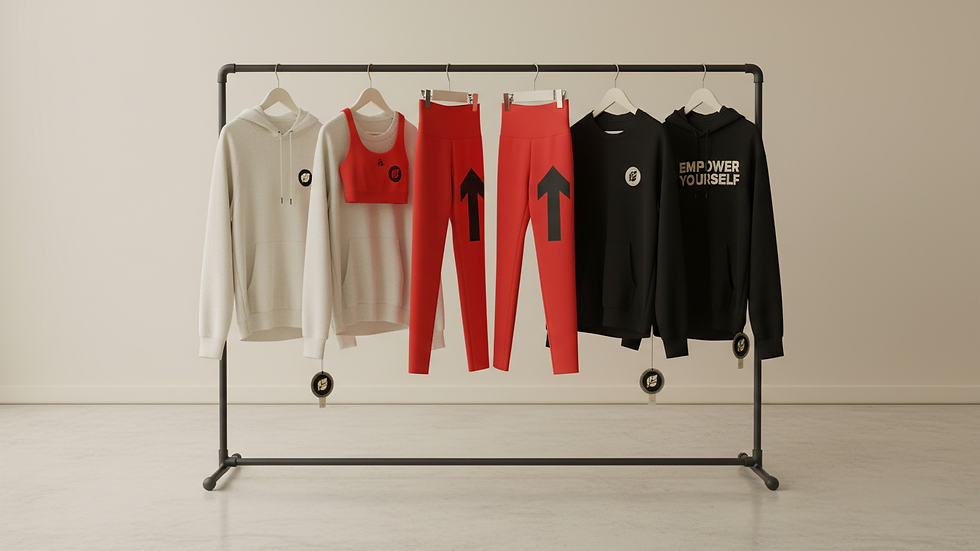
Sustainability in apparel design is a journey, not a destination. Every small step counts. So, why not start today?


Comments